March 26, 2026
Air conditioning systems are essential for maintaining comfortable indoor temperatures, especially during hot weather. Like all mechanical systems, however, they can develop issues over time that affect performance and efficiency. Understanding the most common air conditioning repair needs — and how to prevent them — can help you keep your system running smoothly for years to come. Whether you are dealing with a minor issue or a recurring problem, knowing what to watch for makes all the difference.
1. Replace Dirty or Clogged Filters
Filters play a critical role in your air conditioning system by trapping dust, allergens, and airborne particles. They protect internal components and keep airflow consistent, which is essential for the system to operate the way it was designed to. Without clean filters, even a well-maintained system can struggle to perform. When filters become clogged, the system is forced to work harder, which reduces efficiency and accelerates wear on key parts. Over time, this added strain can lead to overheating and component failures that require professional attention. Common signs of a dirty filter include reduced airflow from vents, declining indoor air quality, and a system that runs more frequently than usual. Dust buildup around vents and worsening allergy symptoms are also red flags that should not be ignored. The good news is that this is one of the easiest air conditioning issues to prevent. Checking and replacing filters on a regular schedule keeps your system running at its peak and helps you avoid more serious problems down the line.
2. Fix Refrigerant Leaks
Refrigerant leaks are a common source of air conditioning repair calls and can seriously affect your system's cooling ability. Signs of a leak include a noticeable drop in cooling performance, longer operating cycles, and ice forming on the refrigerant lines or condenser unit. Left unaddressed, a leak will only worsen over time, placing increasing strain on the system and eventually leading to more extensive damage. Leaks are often caused by corrosion, improper installation, physical damage to the lines, or vibrations that loosen connections over time. Beyond reducing efficiency, refrigerant leaks release harmful hydrochlorofluorocarbons (HCFCs) into the atmosphere, contributing to ozone depletion. Addressing leaks promptly with the help of a qualified technician not only restores system performance but also supports environmentally responsible operation.
3. Resolve Thermostat Issues
Thermostat problems are another frequent driver of air conditioning repair, and they are often easier to resolve than homeowners expect. The thermostat serves as the control center for your entire system, so even a minor malfunction can throw off your home's comfort level significantly. Symptoms include inconsistent indoor temperatures, short cycling, a non-responsive display, or unexplained increases in energy use. In some cases, the system may run continuously without ever reaching the set temperature, which places unnecessary strain on the unit. Issues can stem from dead batteries, incorrect settings, calibration drift in older units, or faulty wiring. Older mechanical thermostats are particularly prone to accuracy problems over time, while newer programmable models can develop electronic faults that are less straightforward to diagnose. Start by verifying all settings, replacing batteries, and cleaning the unit. Check circuit breakers and inspect for loose wires, as these simple steps resolve many common thermostat complaints without any professional involvement. If the problem persists after these steps, a professional assessment is the safest next move to avoid further complications and ensure your system is responding accurately to your comfort needs.
4. Clear Clogged Drain Lines
The drain lines in your air conditioning system remove condensate produced during the cooling process, and they play a quieter but equally important role in keeping your home comfortable and protected. When these lines become clogged, water can back up and overflow, leading to moisture damage and increased indoor humidity. If left unaddressed, this excess moisture can damage walls, ceilings, and flooring, and create conditions that encourage mold and mildew growth throughout your home. Signs of a clog include puddles or water stains near the indoor unit, musty odors, and some systems shutting off automatically as a built-in safety measure to prevent overflow damage. Increased indoor humidity that makes your home feel stuffy and uncomfortable can also point to a drainage issue that deserves attention. Minor blockages can often be cleared with a wet/dry vacuum at the drain exit, while a mild vinegar solution used on a routine basis helps prevent mold growth and keeps lines flowing freely. It is also a good habit to visually inspect the condensate pan during seasonal maintenance checks to catch any buildup before it becomes a bigger problem. Severe or recurring clogs may require professional cleaning and inspection to identify any underlying issues that simple at-home methods cannot fully resolve.
5. Address Electrical Component Failures
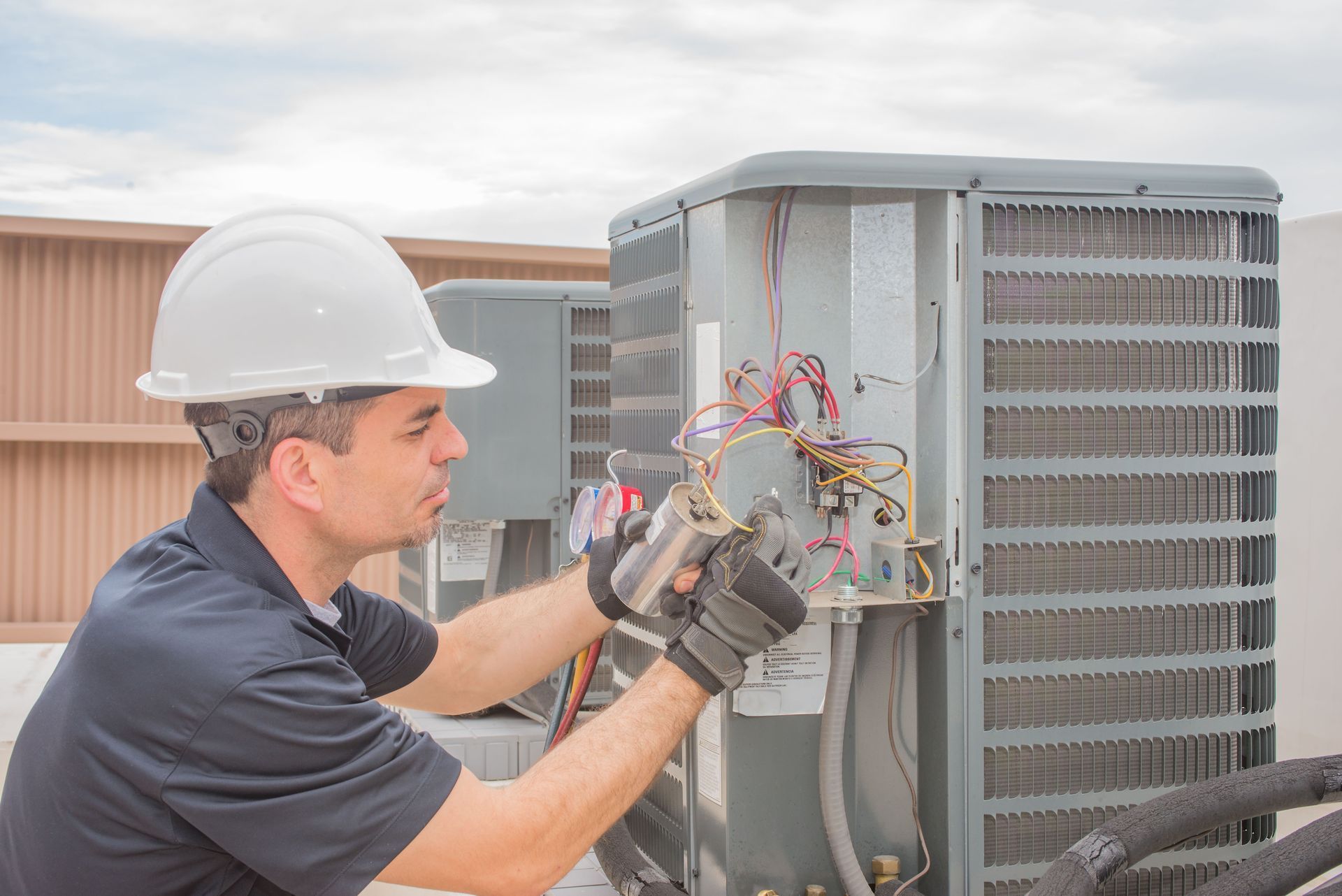
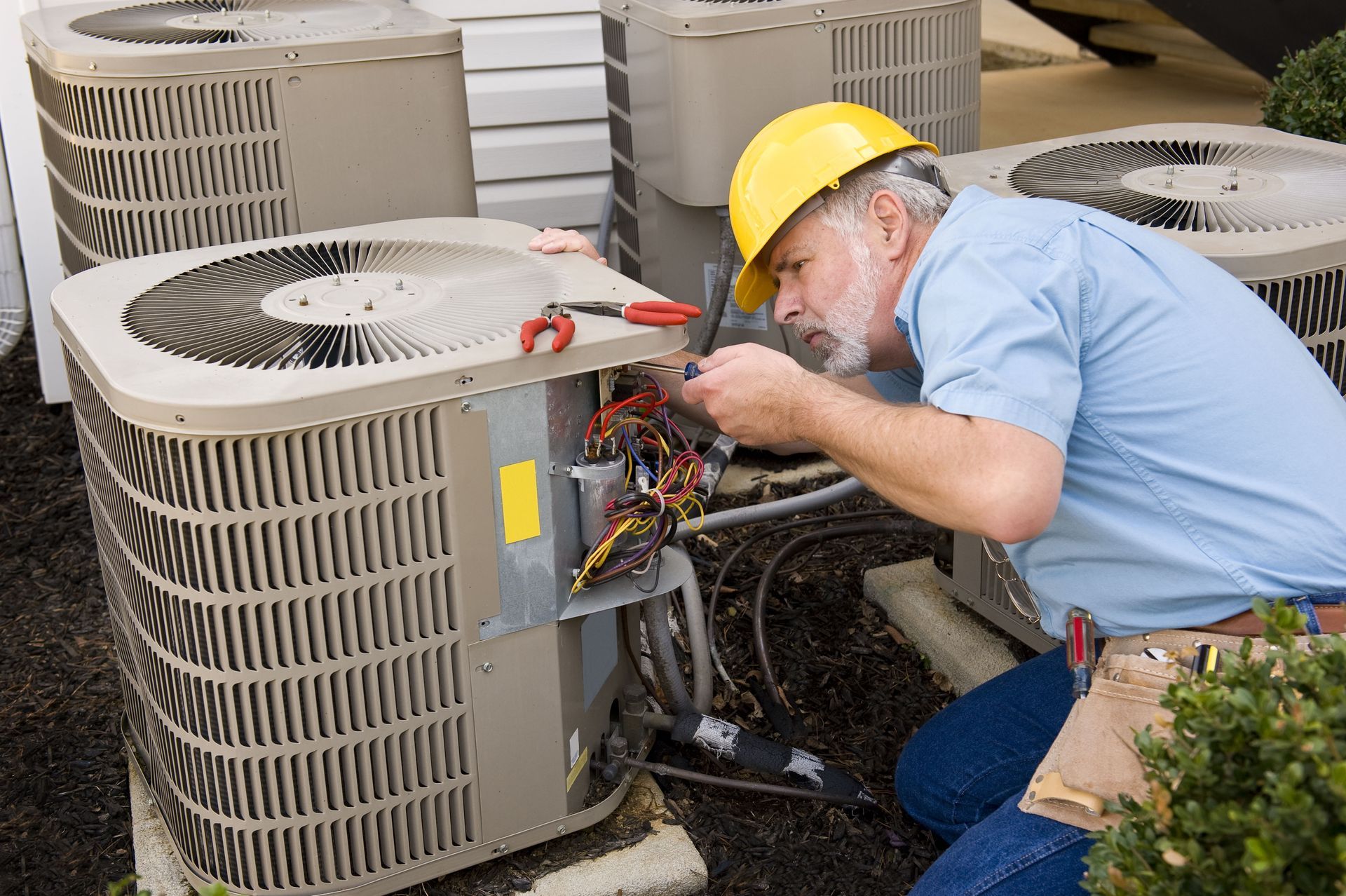
Electrical failures can show up in several ways, including a system that will not start, tripped circuit breakers, or unusual buzzing and humming sounds. Flickering lights when the system cycles on can also indicate an electrical problem. Common causes include worn capacitors and relays, loose connections from vibration, power surges, and damaged wiring. According to the U.S. Department of Energy, air conditioners account for about 6% of all electricity generated in the United States, totaling roughly $29 billion in annual energy use — making an efficiently operating system more important than ever. Ignoring electrical issues can lead to short circuits, safety hazards, and total system failure, so prompt air conditioning repair is essential when these signs appear.
6. Prevent Frozen Evaporator Coils
Frozen evaporator coils are typically caused by restricted airflow or low refrigerant levels, and they are a more common air conditioning repair issue than many homeowners realize. The evaporator coils rely on a steady flow of warm air to function properly, and when that flow is disrupted, temperatures on the coil surface can drop well below freezing. Clogged filters, blocked ductwork, and faulty fans all reduce the airflow needed for proper heat exchange, while insufficient refrigerant drops coil temperatures low enough to cause ice formation. Both issues put significant stress on the system and can lead to compressor damage if not caught early. Symptoms include a significant drop in cooling capacity, visible frost on the coils or surrounding components, and unusual hissing or bubbling noises that suggest a refrigerant problem. You may also notice water pooling around the indoor unit as the ice begins to melt, which can cause additional moisture damage if the underlying issue is not addressed. If you notice these signs, turn off the system and allow it to defrost naturally, then check for obvious obstructions like dirty filters or blocked vents. Forcing the system to continue running while the coils are frozen can cause serious and lasting damage. If freezing recurs after these steps, contact a professional for a thorough air conditioning repair diagnosis to address the root cause and prevent the problem from returning.
Staying on top of your air conditioning system's most common issues is the way to maintaining reliable performance throughout every season. From filter changes to electrical inspections, proactive care goes a long way toward avoiding bigger problems. If you are ready to get ahead of air conditioning repair issues before they become major headaches, contact us at Comfort Control Air Conditioning Specialists, Inc today. We will help you keep your system running efficiently and comfortably all year long.