October 2, 2026
Maintaining a comfortable indoor environment during warmer months requires a clear understanding of how home cooling systems function. Throughout many regions, property owners depend on mechanical climate equipment to keep indoor living spaces pleasant, healthy, and safe. However, numerous persistent myths and widespread misconceptions regarding central cooling equipment continue to circulate among homeowners. These common misunderstandings often lead to improper system usage, premature mechanical wear, and compromised indoor airflow. When individuals rely on incorrect assumptions about thermostat operation, filter maintenance, and equipment sizing, they inadvertently place unnecessary strain on vital mechanical components. Educating yourself on the physical principles behind residential cooling allows you to establish smarter home operational habits. By distinguishing proven operational facts from popular mechanical myths, property owners can ensure consistent cooling performance and extend the functional lifespan of their central units. Consulting with knowledgeable AC companies helps households navigate technical maintenance standards while optimizing indoor comfort across every room in the home.
Believing Thermostat Settings Cool Rooms Faster
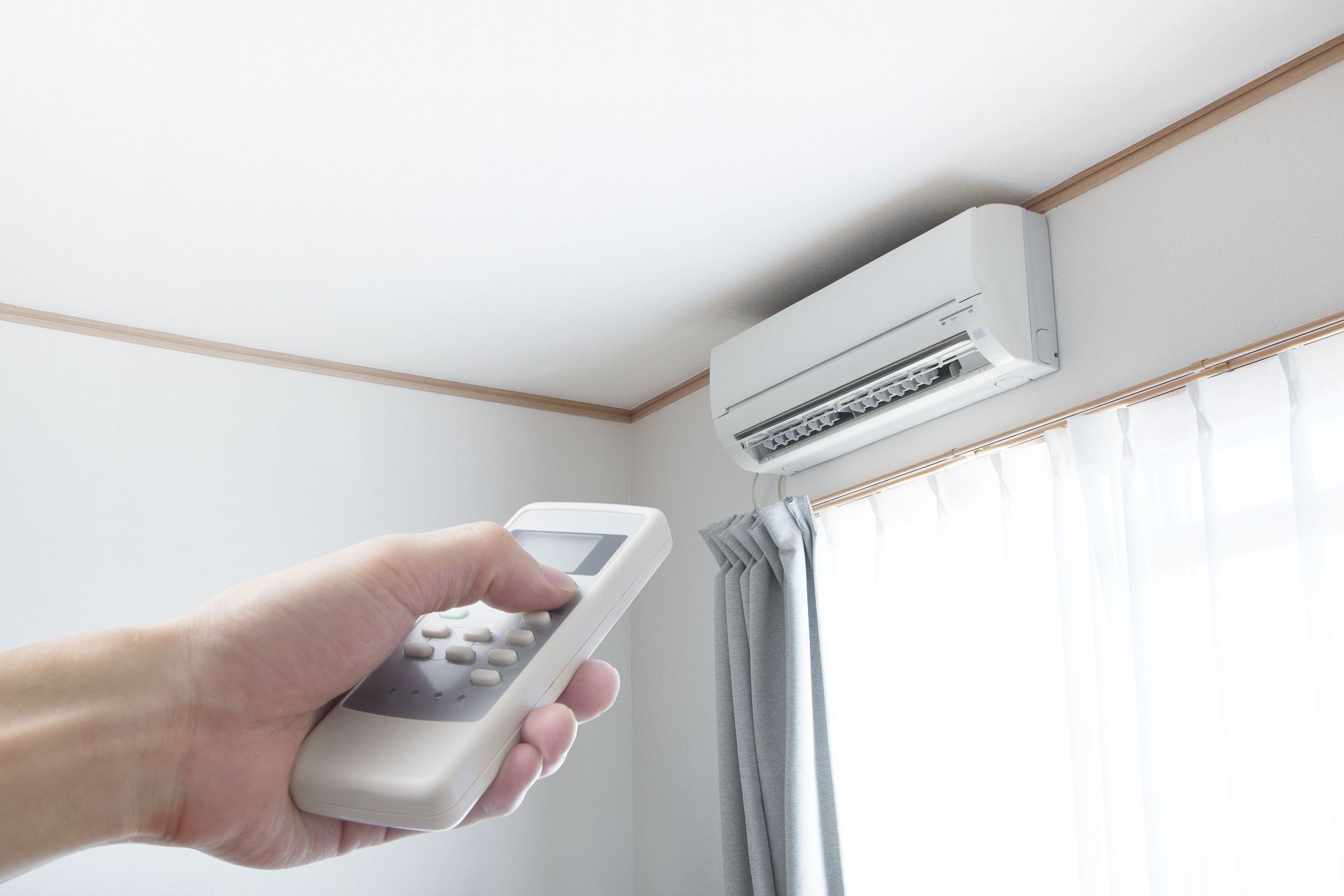
One of the most widespread myths regarding residential cooling is the idea that dropping the thermostat to an extremely low setting cools a home much faster. Many individuals return to a warm house and immediately lower the control panel setting to an unusually low setting, assuming the system will output colder air. In reality, central cooling units operate at a constant speed and deliver air at a consistent cooling output regardless of the set temperature. Setting the temperature lower simply forces the equipment to run longer continuously until the indoor space reaches that target temperature. This extra runtime causes unnecessary mechanical stress on the compressor, motor bearings, and fan assemblies, which increases the likelihood of unexpected component failures. According to the U.S. Energy Information Administration, nearly 88% of residential properties utilize cooling equipment across the country. With such a vast majority of households relying on central systems, operating controls correctly is vital for long-term mechanical reliability. Rather than cranking down the controls, homeowners can consult local AC companies to install programmable equipment that gradually adjusts temperatures prior to arriving home.
Assuming Air Conditioners Only Control Indoor Temperatures
Another frequent misunderstanding is assuming that central cooling equipment only manages ambient indoor temperature. While temperature reduction is the most noticeable function of central equipment, managing indoor humidity is an equally critical aspect of total climate control. As warm indoor air passes over the cold evaporator coil inside the handler, moisture in the air condenses on the coil surface and drains away from the living environment. This dehumidification process removes excess atmospheric moisture, making the indoor air feel significantly cooler and far more comfortable at standard thermostat settings. High indoor humidity creates sticky, uncomfortable living conditions and encourages mold spore growth, dust mite proliferation, and indoor air quality degradation. When indoor humidity levels remain elevated despite cool air output, underlying issues such as improper equipment sizing, clogged condensate lines, or poor airflow dynamics may be present. Seeking professional evaluation from reputable AC companies ensures that both temperature regulation and dehumidification functions operate in perfect harmony throughout the home.
Expecting Routine Maintenance Is Unnecessary for New Equipment
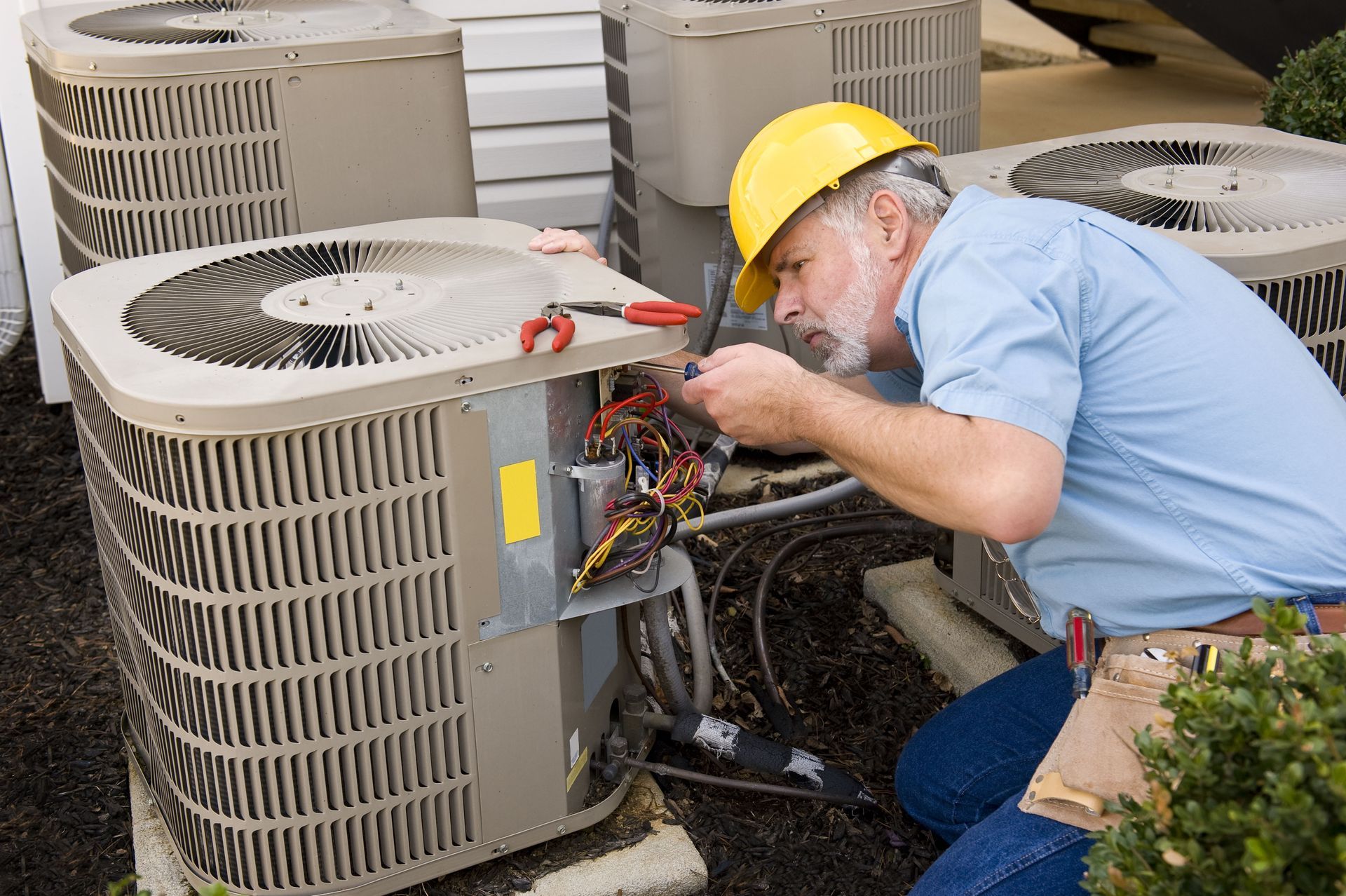
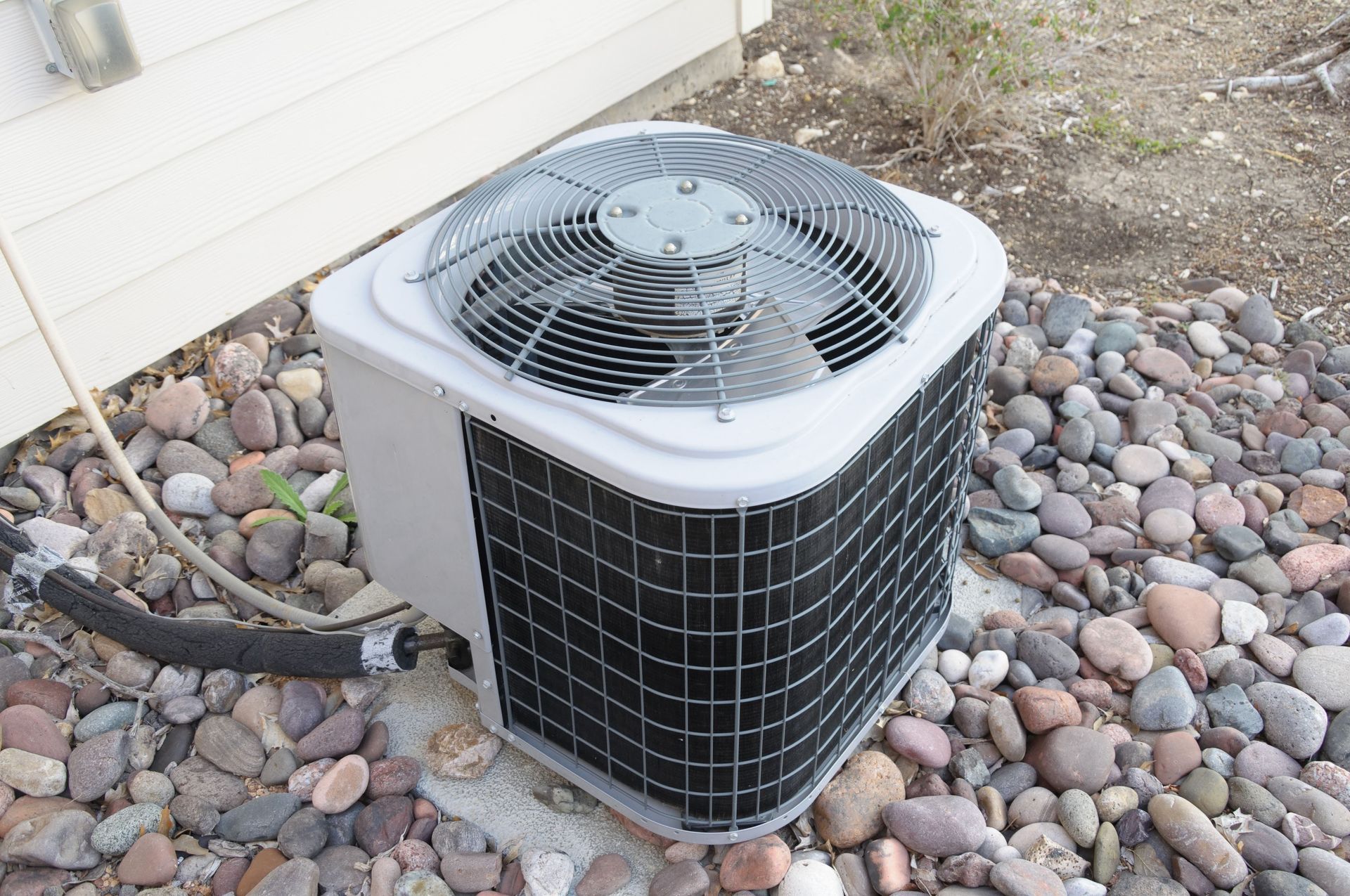
Many homeowners believe that brand-new cooling systems require zero attention or professional care during their early years of operation. Because modern units feature advanced engineering, durable housing, and state-of-the-art electronic components, property owners often assume routine inspections can be skipped. However, even the newest mechanical equipment accumulates airborne dust, pollen, and debris on outdoor condenser coils and internal blower fans over time. Neglecting routine seasonal inspections permits minor operational imbalances, such as electrical connection loosening or minor refrigerant pressure shifts, to develop unchecked. Over time, these unaddressed minor issues can lead to significant mechanical strain and premature component breakdown. Establishing an annual inspection schedule allows trained technicians to clean essential coils, measure electrical currents, lubricate moving parts, and verify system safety features. Partnering with experienced AC companies for ongoing preventative care keeps modern cooling units operating smoothly, protecting key mechanical components and ensuring consistent household comfort year after year.
Ignoring Filter Changes Until System Operation Halts
A surprising number of property owners delay replacing return air filters until the cooling system experiences visible operational problems or stops blowing cool air altogether. Air filters serve a crucial protective function by capturing dust, pet dander, lint, and airborne particulates before they can settle on sensitive internal components. When a filter becomes heavily clogged with accumulated debris, airflow through the return ducts decreases dramatically. Restricted airflow starves the system of necessary air volume, forcing the blower motor to work much harder to pull air through the system. Furthermore, reduced airflow across the cold evaporator coil can cause the coil temperature to drop below freezing, leading to ice buildup that blocks airflow completely. Changing return air filters on a regular schedule preserves proper system ventilation, protects internal components from dirt accumulation, and supports healthier indoor air quality. Working alongside professional AC companies helps property owners determine the ideal filter replacement frequency and filtration efficiency rating for their specific household environment.
Operating Oversized Equipment for Faster Cooling Performance
When replacing an aging unit, some homeowners mistakenly assume that selecting a larger capacity cooling unit is always better for home comfort. They believe an oversized system will cool the residence more rapidly and handle extreme heatwaves effortlessly. However, an improperly sized unit with excessive cooling capacity completes cooling cycles far too quickly, a phenomenon known in the mechanical industry as short cycling. Short cycling prevents the system from running long enough to complete a full dehumidification cycle, leaving the home feeling damp, clammy, and uncomfortably humid. Additionally, frequent starting and stopping cycles cause rapid mechanical wear on the compressor, fan motors, and electrical contactors. Properly sized equipment, determined through precise heat load calculations, runs smoothly, with extended cycles that maintain uniform indoor temperatures and balanced moisture levels. Technical guidance from established AC companies guarantees that replacement equipment matches the precise structural dimensions, insulation values, and layout characteristics of the property.
Leaving Units Running Continuously Throughout Empty Homes
A final misconception involves the habit of leaving central cooling equipment running at full operation when no one is home for extended periods. Some individuals believe that keeping the home continuously cool requires less mechanical effort than allowing the indoor temperature to rise while the house is empty. In reality, homes gain heat at a slower pace when the indoor temperature approaches the outdoor temperature. Allowing the indoor temperature to rise slightly while the residence is unoccupied reduces heat transfer through walls, windows, and ceilings, which decreases the overall mechanical workload on the system. Utilizing smart control systems to adjust setpoints while away prevents unnecessary mechanical wear without compromising comfort upon return. Experienced technicians from qualified AC companies can recommend modern control strategies that balance daily operational convenience with optimal system longevity for any household setup.
Dispelling common cooling myths allows property owners to make informed decisions that enhance indoor comfort and safeguard vital mechanical equipment. From setting realistic thermostat expectations to maintaining clean air filters and scheduling routine professional inspections, proper system operation relies on practical, proven habits. Understanding the dual importance of temperature control and humidity removal ensures a healthier, more pleasant indoor environment throughout warmer seasons. By taking a proactive approach to system care and avoiding popular operational mistakes, homeowners can maximize equipment reliability and enjoy consistent cooling performance year after year. When seeking expert guidance to maintain, inspect, or optimize your home cooling system, working with dedicated professionals guarantees outstanding long-term results. If you are ready for exceptional indoor comfort and reliable home cooling, contact us at Comfort Control Air Conditioning Specialists, Inc. today. We will help you optimize system performance and maintain an ideal indoor climate across every season.